One influencer that stays the same person, for as many products as you can list.
Cast a synthetic creator once — face sheet, wardrobe, voice, room — then shoot vertical video with it on demand. Paste a product link and it writes the scenes, renders stills, and animates them.
- Identity
- locked per character
- Output
- 9:16 · 15–35s
- Billing
- provider cost
Cast the influencer
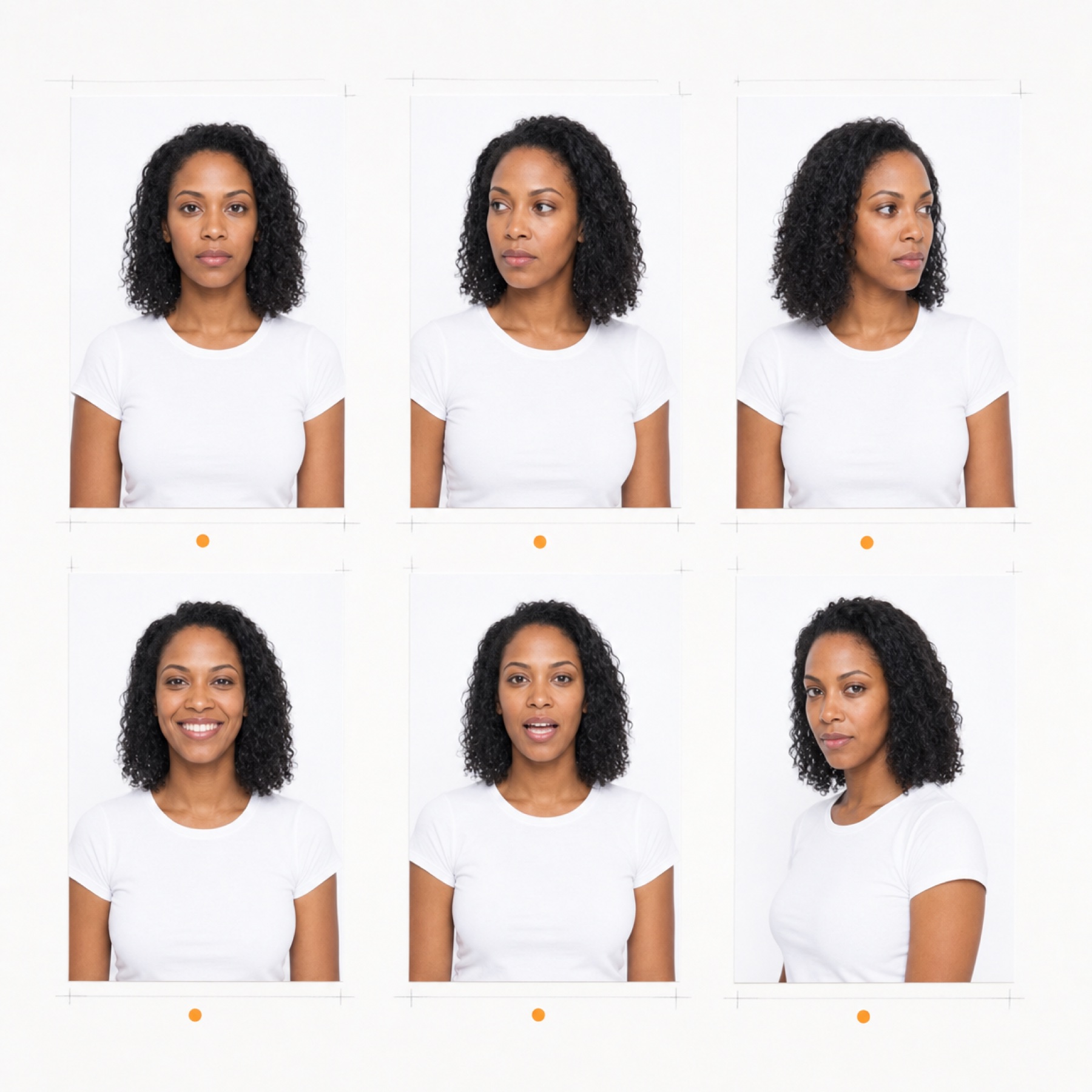
Describe one person. We render a character sheet — front, profile, smile, mid-sentence — so every later shot references the same face instead of guessing.
Point it at a product
Paste a product URL. We pull the title, price, benefits and the objections a buyer actually has, then write a script around them.
Storyboard, then shoot
Each scene gets a keyframe before it gets a clip. Approve the stills, then render 9:16 video with lip-synced dialogue and native audio.
Export clean
Metadata stripped, captions burned or kept as a sidecar, link that lasts. Post it wherever the audience already is.
What holds a character together
Consistency is a data problem before it is a model problem. Four things are stored per influencer and repeated verbatim into every prompt, keyframe and video request.
- Appearance block
- Face description, hairline, build, age range, one signature detail.
- Wardrobe set
- Named garments, so a scene can change without changing the person.
- Room and lighting
- A recurring set reads as a real bedroom or kitchen, not a green screen.
- Voice and speech pattern
- Tone, accent and sentence length carried into the script layer.
Models, one wallet
Each shot can run on a different model. Cheap drafts first, the expensive one for the take that ships.
- ByteDance
Seedance 2.5 reference-to-video
bytedance/seedance-2.5/us/reference-to-video
- ByteDance
Seedance 2.0 reference-to-video
bytedance/seedance-2.0/reference-to-video
- ByteDance
Seedance 2.5 image-to-video
bytedance/seedance-2.5/us/image-to-video
- Kuaishou
Kling 3 Pro image-to-video
fal-ai/kling-video/v3/pro/image-to-video
- Kuaishou
Kling O3 Pro reference-to-video
fal-ai/kling-video/o3/pro/reference-to-video
Gemini Omni Flash reference-to-video
google/gemini-omni-flash/v1.1/reference-to-video
What holds a character together
Consistency is a data problem before it is a model problem. Four things are stored per influencer and repeated verbatim into every prompt, keyframe and video request.
- Appearance block
- Face description, hairline, build, age range, one signature detail.
- Wardrobe set
- Named garments, so a scene can change without changing the person.
- Room and lighting
- A recurring set reads as a real bedroom or kitchen, not a green screen.
- Voice and speech pattern
- Tone, accent and sentence length carried into the script layer.
Approve the stills before you pay for video
Each scene gets a keyframe first. A wrong frame costs one image; a wrong clip costs a hundred times that. Only what you approve gets animated.
Open the composer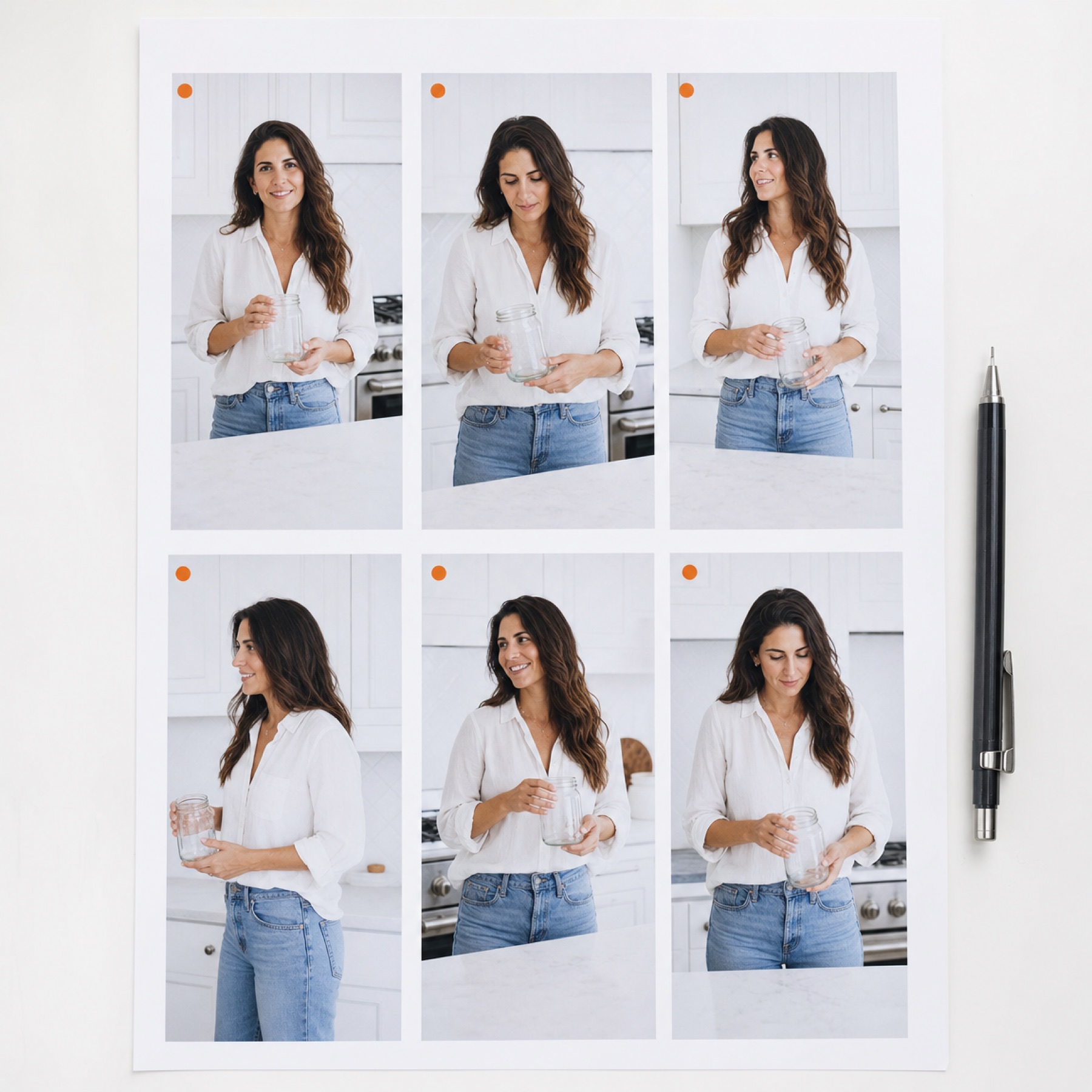
Built for the seller with ten products and no camera
The workflow is deliberately narrow: one influencer, a product, a short script, a vertical video. No timeline editor to learn, no render farm to babysit. If a still looks wrong you fix it before paying for video.
Start with a characterQuestions
+What makes the influencer stay the same across videos?
Every prompt is assembled from one stored appearance block: face description, hair, build, wardrobe. Keyframes are rendered from that block, and video clips are generated in reference-to-video mode using those keyframes plus the character sheet, so the model conditions on the same identity instead of inventing a new person each time.
+Which video models are available?
The MVP ships with Seedance 2.5 reference-to-video and image-to-video, Kling 3 Pro and O3 Pro, MiniMax H3 Max, Wan 3.0 and Gemini Omni Flash. All of them run through one provider layer, so you can switch per shot.
+How is billing handled?
At cost. Every generation is recorded with the provider, the model and the unit price, and your wallet is debited the provider amount. No credit packages, no markup tiers, no per-seat fee.
+Can I upload my own photos of a person?
Not yet. The first version generates characters from a description so we can guarantee the identity is synthetic and licensed for commercial use. Photo-based characters are a later feature with their own consent flow.
+Does it work for TikTok Shop listings?
Product extraction reads standard product pages, including TikTok Shop listings that expose structured data. Where a page hides its details behind a login, paste the title and benefits into the brief field instead.